Guide to Smart Office Technology: Ideas and Designs for a Modern Workplace
A smart office uses connected digital tools to make everyday work easier, safer, and more efficient. Instead of treating lighting, meeting rooms, security, climate control, and employee access as separate functions, businesses can connect them so the workplace responds better to how people actually use the space.
The best smart office technology is not about filling an office with devices. It starts with real workplace needs. A company may want easier room booking, better access control, less energy waste, smoother hybrid meetings, or clearer information about space use. The right design brings those goals together without complicating work.
This guide explains practical ideas for planning a connected workplace, choosing useful systems, and creating an office that employees can use with confidence.
1. Start With Workplace Problems, Not Devices
A common mistake is buying technology first and trying to find a use for it later. A better approach is to study how employees, visitors, facilities teams, and managers use the office during a normal day.
Look for repeated problems. Meeting rooms may be booked but left empty. Employees may spend too much time finding a desk. Visitors may wait at reception. Lights and cooling may remain on in unused areas. Security teams may also manage several platforms that do not share useful information.
2. Design the Office as Connected Zones
Different areas serve different purposes, so they should not all use technology in the same way. Reception needs controlled visitor entry. Open work areas need reliable connectivity and flexible desk options. Meeting rooms need simple scheduling and dependable communication tools. Private offices may require different access permissions.
A well-planned smart office system can connect these zones while allowing each area to work according to its purpose.
Digital visitor management can simplify arrivals by collecting visitor details, notifying hosts, and supporting temporary access when appropriate.
Desk booking tools can help employees find an available workstation before they arrive. Occupancy information can also help facilities teams understand which areas are used often and which areas may need a different layout. The goal should be better space planning, not unnecessary employee tracking.
3. Make Meeting Rooms Simple to Use
Meeting rooms often create small problems that waste valuable time. A room may appear available even when someone is already using it, or it may stay reserved after a meeting has been canceled. Employees can also lose several minutes trying to connect a laptop, find the right cable, adjust a camera, or get audio working before a call begins.
A smarter meeting room can combine scheduling displays, occupancy sensors, video conferencing equipment, microphones, cameras, and wireless presentation tools into one simple setup. Clear room displays can show whether a space is free, reserved, or currently occupied. Sensors can also improve booking accuracy by identifying when a reserved room isn't actually being used.
Employees should be able to enter the room, understand its status, connect quickly, and begin a meeting without technical help for basic tasks. Simple controls and reliable equipment create a smoother meeting experience for both in-office and remote participants.
4. Automate Repeated Tasks, Not Every Decision
Smart office automation is most useful when it handles simple, repetitive tasks. Lighting can respond to occupancy. Climate controls can follow schedules or zones. Unused room bookings can be released. Access permissions can follow approved work hours or visitor schedules.
Automation should still allow people to take control when needed. Before automating a process, ask:
- Is the task repeated often? Automation has more value when it removes a frequent manual step.
- Can the rule be clearly defined? Processes with many exceptions may still need human judgment.
- What happens if the system stops working? A simple fallback helps employees continue working safely.
5. Connect Security With Daily Office Operations
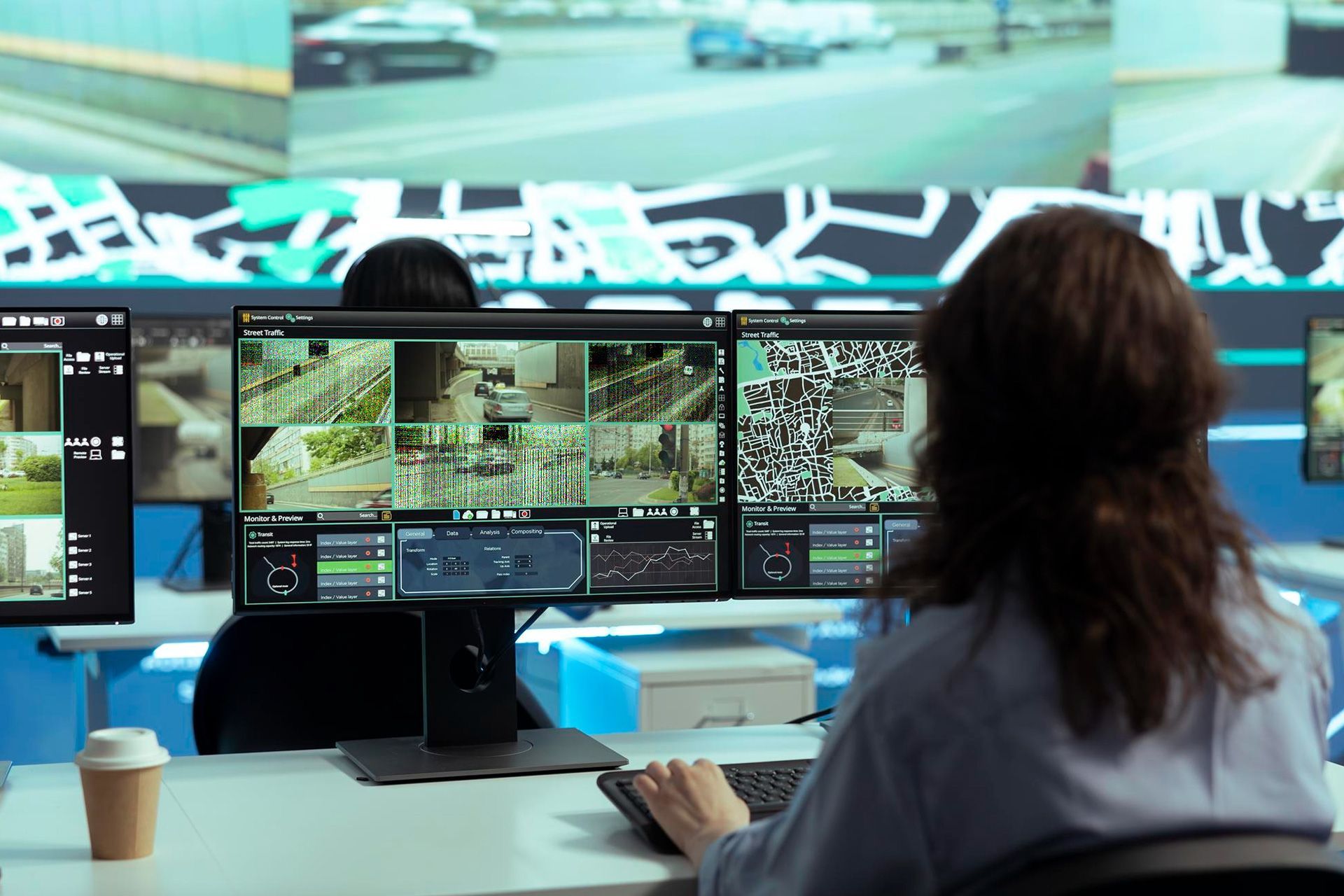
Office security is a major part of a connected workplace. Access control, video surveillance, visitor management, intercoms, and alarms can provide better visibility when they are planned together.
For example, an access event can link to the correct camera view, so authorized staff can review an incident more efficiently. Door permissions can also be assigned based on employee role, schedule, or area, rather than relying solely on traditional keys.
6. Use Lighting and Climate Controls More Intelligently
Lighting and temperature affect comfort, but empty areas don't always need to operate as if they were occupied. Sensors, schedules, and building controls can help manage lighting and climate by zone.
A meeting room, for example, may dim its lights after a period of inactivity. Heating or cooling settings may also change based on occupancy and operating schedules when the building system supports these functions.
Smart office technology can provide facilities teams with useful information on how areas are used over time. That data should support decisions, not replace judgment.
7. Give Employees Fewer, Better Controls
A connected workplace succeeds only when people can use it easily. A confusing interface can turn useful technology into another daily problem.
Where possible, employees should not need several apps to book a desk, find a room, enter an approved area, or report a facilities issue. Useful employee features may include:
- Room and desk booking: Staff can check availability before arriving or walking across the office.
- Secure digital access: Approved users can enter permitted areas through supported cards, mobile credentials, or other secure methods.
- Workplace service requests: Employees can report equipment or room issues through a single, clear process.
8. Plan for Hybrid Meetings From the Start
Hybrid work needs more than a video conferencing account. The physical room must work well for people in the office and those joining remotely. Poor audio, weak camera angles, and hard-to-use controls can quickly make meetings less productive.
Meeting spaces should include clear microphones, well-placed cameras, visible displays, and simple connection options that employees can use without technical help. Room size should also guide equipment choices so everyone can be seen and heard clearly.
Shared documents, presentation tools, and collaboration platforms should be securely available to authorized users both inside and outside the office. Businesses should also test meeting rooms regularly to confirm cameras, speakers, screens, and internet connections work as expected before important calls begin.
9. Treat Cybersecurity as Part of the Office Design
Every connected device becomes part of the company's technology environment. Office setup planning must therefore include digital security, not just physical installation.
Change default passwords, limit administrator accounts, keep firmware and software up to date, and use appropriate network controls. The IT team should know which devices are connected, who manages them, and how updates are handled.
When selecting a smart office system, check whether it integrates securely with existing tools and has a clear support process. The system should also scale as you add new rooms, users, or functions.
10. Use Data Only When It Has a Purpose
Connected offices can generate data on room usage, access events, equipment status, energy patterns, and service requests. That data becomes valuable when it answers a clear business question.
Facilities teams may review room use before changing the layout. Security teams may use access records during an incident review. Office managers may study occupancy patterns before changing desk arrangements.
Avoid collecting data simply because a device can produce it. Businesses should define what information is necessary, who can access it, and how long to keep it.
11. Roll Out Improvements in Manageable Phases
A smarter workplace does not need to be built as a single large project. A phased approach allows a business to test what works before expanding.
Start by mapping current problems and identifying one or two improvements with clear operational value. This may include access control, room management, visitor handling, lighting controls, or collaboration tools.
Smart office automation becomes more useful when each new feature integrates naturally with existing workplace processes rather than becoming another isolated platform.
Conclusion
A modern smart office is not defined by the number of connected devices it contains. It is defined by how well technology supports people, security, collaboration, comfort, and building management. The best designs begin with real workplace problems and introduce tools that make daily tasks easier or give teams better control.
When choosing connected workplace tools, businesses should consider usability, integration, cybersecurity, privacy, and future growth. Starting with a few high-value improvements also gives teams time to learn what works before expanding.
AMJ Technology Solutions provides office automation and connected technology solutions for businesses. Our team can help assess workplace needs and plan solutions for access, security, IT infrastructure, and everyday office operations.
Contact us to schedule a consultation and discuss a smarter workplace design for your organization.
Frequently Asked Questions
What Is a Smart Office?
A smart office is a workplace that uses connected digital systems to support functions such as security, room booking, lighting, climate control, communication, and space management.
Which Upgrade Should a Business Start With?
Start with the problem that affects daily operations. Some businesses may benefit first from access control, while others may need better room booking, visitor management, or energy controls.
Can Existing Office Systems Be Upgraded?
Sometimes. Compatibility depends on the current hardware, software, communication standards, and available integrations. A technical assessment can identify which parts can remain.
Does a Connected Office Need Special Cybersecurity Measures?
Yes. Connected devices should use secure credentials, controlled administrator access, updates, and suitable network protection. Businesses should also know who is responsible for managing each system.
How Can a Business Measure Whether the Upgrade Is Working?
Measure results against the original goal. Review factors such as room availability, security processes, employee feedback, energy patterns, support requests, or time spent on common workplace tasks.
Disclaimer: The information on this website and blog is for general informational purposes only and is not professional advice. We make no guarantees of accuracy or completeness. We disclaim all liability for errors, omissions, or reliance on this content. Always consult a qualified professional for specific guidance.
Search
Recent Posts